Dec – Feb
Summer
Long days and the most departures on the board, which helps. Also the most visitors competing for the good mornings. Afternoon build-up is reliable, so take an early slot.
The thing nobody plans for
This is the single most useful page on the site, and it is not about which flight to book. Franz Josef sits under one of the wettest skies in New Zealand, and across a season somewhere between half and sixty per cent of scheduled flights are affected by weather. That number should change how you build the trip, not whether you take it. Here is how to plan a Franz Josef helicopter flight so that the weather cannot take it away from you.
Quick answer
The short answer. Book the first morning of your stay, not the last, and stay two nights rather than one. That single decision does more for your odds than any choice of operator, length or price. If the flight is stood down for weather you are refunded in full, but a refund is not what you came for.
Why the number is so high
The rain that makes the glacier is the rain that grounds the flight.
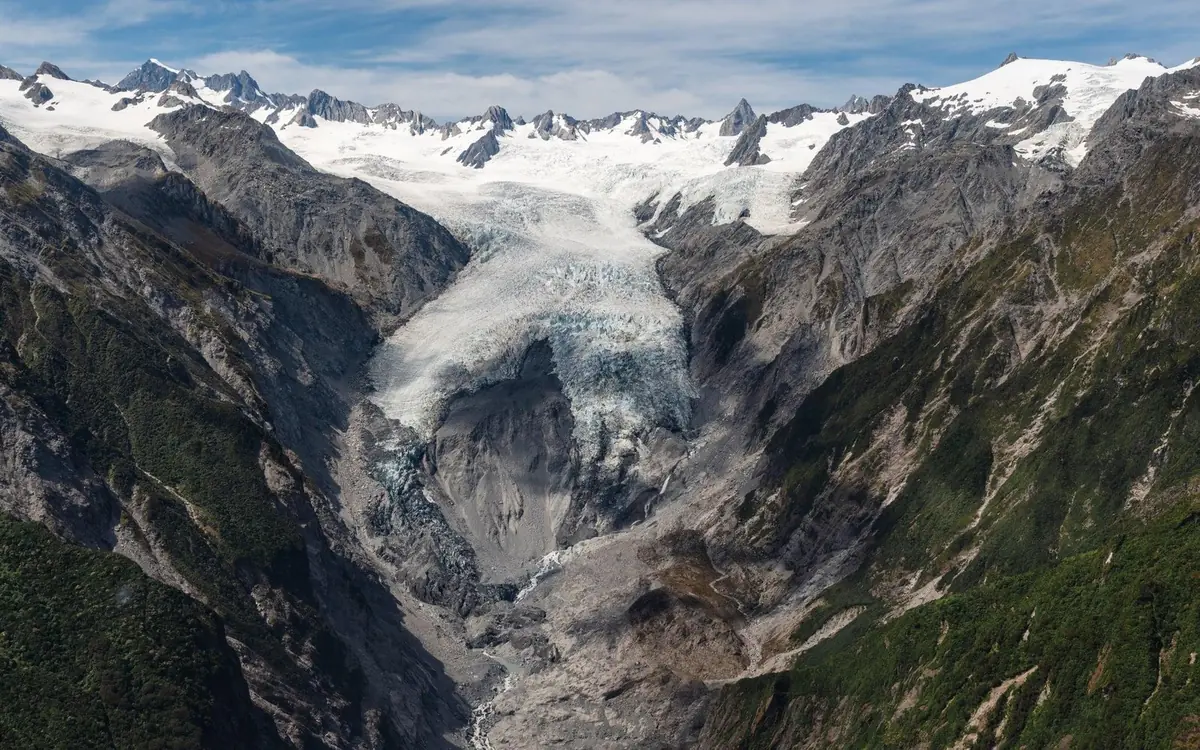
Franz Josef village sits at the foot of a steep valley on the western side of the Southern Alps. Moist air comes in off the Tasman Sea, hits a wall of three-thousand-metre mountains, and dumps its water on the western slopes. That is the entire reason the glacier exists at this latitude and this low an altitude, and it is also the reason the helicopters spend so much of the year on the ground.
A scenic flight here needs three things at once: enough visibility to climb the valley, a clear enough landing site at fifteen hundred metres or more, and a forecast stable enough to get back down again. Any one of those can be missing on a day that looks perfectly fine from the main street.
This is why you will see visitors standing in sunshine outside the hangar being told there is no flight. Valley-floor weather is not flying weather. The cloud that matters is sitting on the névé, four or five kilometres away and thirteen hundred metres up.
How to beat it
None of these is a trick. They are simply what people who fly here successfully do.
The single highest-value decision on this page. One night gives you one morning. Two nights give you two mornings and an afternoon, and the odds go from a coin toss to comfortably in your favour. Three nights, and the weather stops being the story.
Air over a glacier heats through the day, and cloud builds against the Main Divide from late morning. The first two slots fly in still air and in the best light of the day. They are also the ones that fill first.
A cancellation on day one can be moved to day two. A cancellation on your departure morning is a refund and a five-hour drive with nothing to show for it.
If the morning clears unexpectedly, operators fill seats from people who are standing in front of them. If your afternoon slot looks doubtful, ask to be moved earlier rather than hoping.
A twenty-five minute flight needs a smaller gap in the weather than a ninety-minute one, and it is far more likely to slip through a marginal morning. On a one-night stay, book short.
Some operators will fly a scenic circuit when the landing site is unusable, sometimes at a reduced price. It is a genuinely different product — decide in advance whether you want it.
Month by month
Rainfall totals are a poor guide here, because what matters is not how much it rains but how often there is a clear enough window in the morning. On that measure the year looks like this.
Dec – Feb
Long days and the most departures on the board, which helps. Also the most visitors competing for the good mornings. Afternoon build-up is reliable, so take an early slot.
Mar – Apr
The best flying of the year. Settled air, stable mornings, snow still high on the névé and noticeably fewer people. If you can choose your month, choose one of these two.
May – Aug
Fewer flights and shorter days, and long spells where nothing moves. But the clear winter days are the best of all — fresh snow to the valley floor and air with nothing in it.
Sep – Nov
The most changeable stretch of the year. Good odds across three days, poor odds on any given morning. Cheaper accommodation. Bring patience and a spare day.
Deciding which months to build the trip around?
The best time to fly→If it is cancelled
The decision is usually made within a couple of hours of your slot, and it is made by the pilot rather than by the desk. You will get a phone call or a message. You are refunded in full, and through the listings on this site that refund is automatic rather than something you chase.
Then ask three questions, in this order. Is there a later slot today? Weather here moves fast and an 11am cancellation frequently becomes a 3pm flight. Is there anything tomorrow morning? Early slots on the next day are held for exactly this. Is another operator flying? They will tell you honestly, because everybody in the village knows everybody.
If nothing flies at all, the valley walk is still there. It ends about a kilometre short of the terminal face, but on a clearing afternoon with cloud tearing off the icefall it is a better consolation than it sounds.
Book direct
Shorter flights need a smaller window. On a one-night stay, book short.
★ 4.9 · 56 reviews
★ 4.8 · 693 reviews
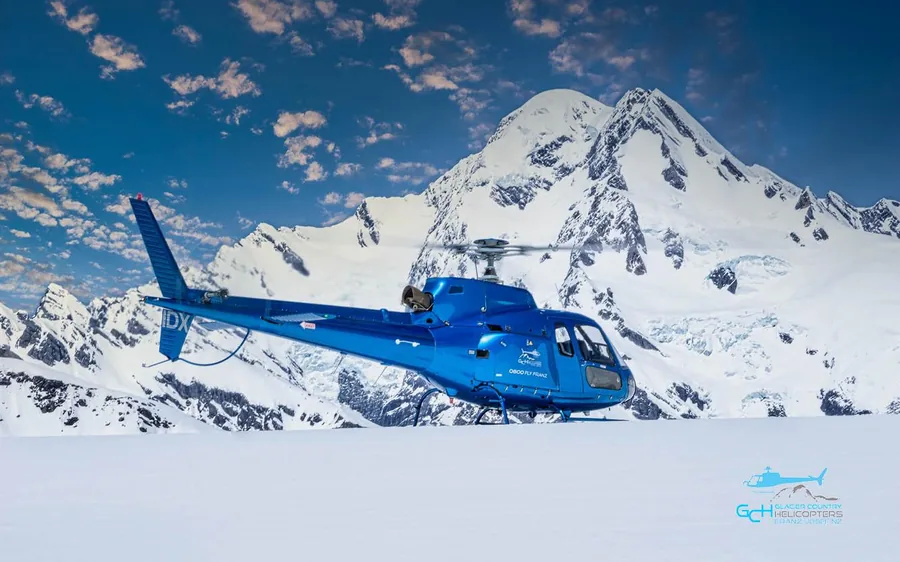
★ 4.9 · 527 reviews
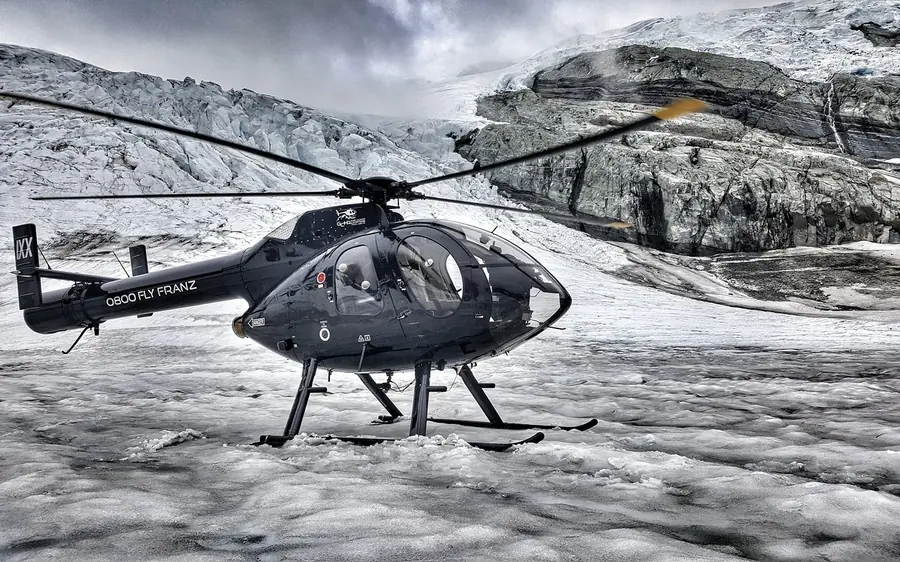
★ 4.8 · 30 reviews
Common questions
Across a full season, somewhere between half and sixty per cent of scheduled flights are affected by weather. That is a function of where the glacier is, not of the operators. Plan for it by staying two nights and booking the first morning.
Yes, in full, when the operator stands the flight down for weather. Through the listings here you can also cancel yourself for free up to twenty-four hours before departure.
The first two departures of the morning. Air over the glacier heats through the day and cloud builds against the Main Divide from late morning, which is why the afternoon slots are the ones most often stood down.
Sometimes, and equally you can be grounded in sunshine. Valley-floor weather is not flying weather — what matters is the cloud sitting on the landing site thirteen hundred metres above you.
Two at a minimum, three if the flight is the reason for the trip. One night gives you a single morning and roughly even odds. Two mornings and an afternoon put the odds firmly in your favour.
March and April are the best flying weather of the year: settled air, stable mornings and fewer people. Winter has the clearest days when it is clear, and the longest grounded spells when it is not.
Go deeper
Twelve helicopter flights out of one village, from twenty minutes to ninety.
PricesTwelve flights priced per person and per minute, and where the money actually goes.
VerdictTwelve flights ranked for one decision, with a straight answer at the end.
LandingsWhich flights actually put the machine down, and what the difference is.
LengthThe only real variable, and how much country each length buys you.
Which oneTwo glaciers, twenty-five minutes apart, and the flights that show you both.